
The Science of Substitutions: Your Ultimate Ingredient Swap Guide
Missing an ingredient? No problem! This comprehensive guide covers the science behind successful ingredient substitutions, from dairy and eggs to flour and sweeteners. Learn when and how to swap ingredients without compromising your recipe's success.
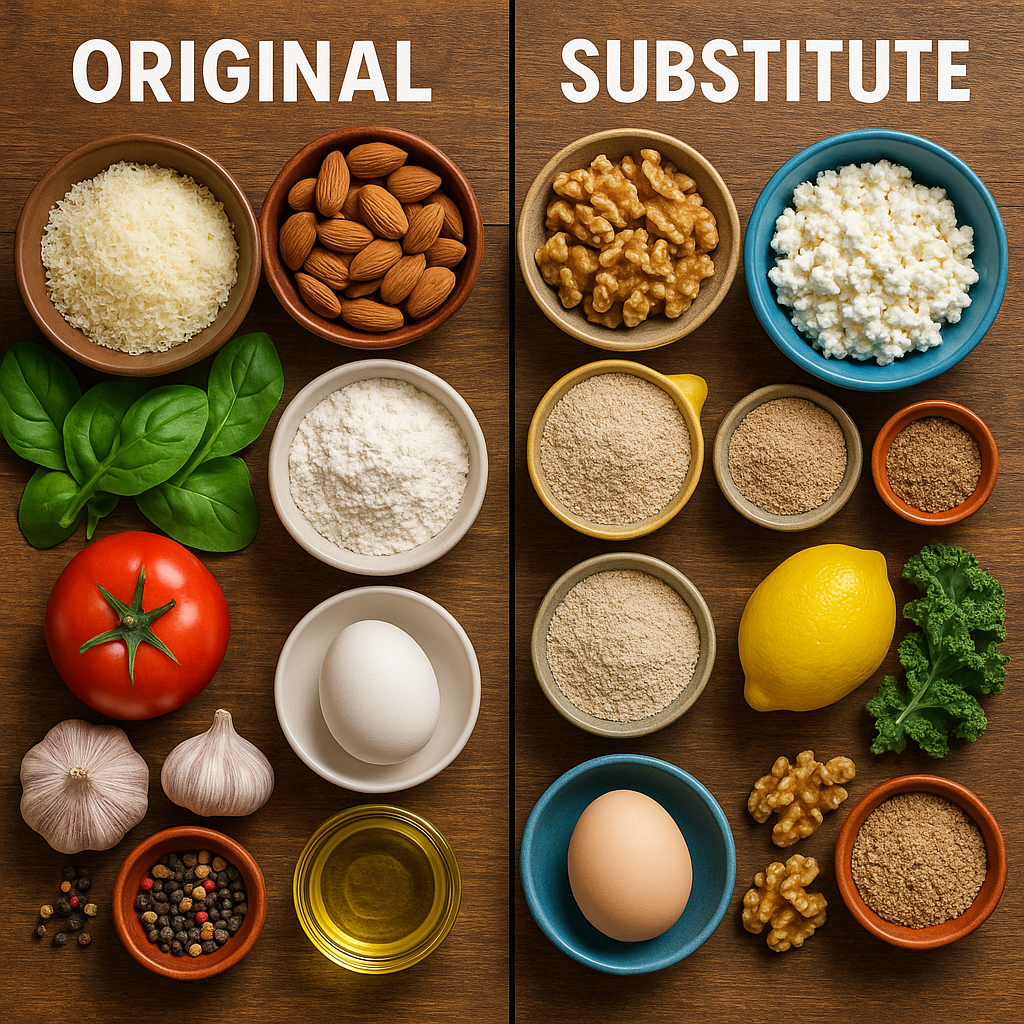
We’ve all been there: you’re halfway through a recipe when you realize you’re missing a crucial ingredient. Or maybe you’re adapting a recipe for dietary restrictions, or simply want to experiment with healthier alternatives. Whatever the reason, knowing how to substitute ingredients effectively can save your dish—and your day.
But substitution isn’t just about swapping one ingredient for another. It’s about understanding the role each ingredient plays in a recipe and finding alternatives that fulfill the same function. Let’s dive into the science of substitutions and give you the confidence to adapt any recipe.
Understanding Ingredient Functions
Before we get into specific swaps, it’s important to understand why recipes call for certain ingredients:
- Leavening: Makes baked goods rise (baking powder, eggs, yeast)
- Binding: Holds ingredients together (eggs, flour, starches)
- Moisture: Provides liquid content (milk, oil, butter)
- Fat: Adds richness, tenderness, and flavor (butter, oil, cream)
- Structure: Provides framework (flour, proteins)
- Flavor: Enhances taste (vanilla, spices, salt)
- Sweetness: Adds sugar content and affects texture (sugar, honey, maple syrup)
Dairy Substitutions
Milk
For 1 cup of milk, use:
1 cup plant-based milk (almond, oat, soy, coconut)
- Best for: Most recipes, though coconut adds flavor
- Note: Unsweetened varieties work best in savory dishes
1 cup water + 1 tablespoon butter
- Best for: Baking when you need liquid but not dairy flavor
½ cup evaporated milk + ½ cup water
- Best for: Creamier dishes, soups, sauces
¼ cup dry milk powder + 1 cup water
- Best for: When you need shelf-stable backup
Butter
For 1 cup of butter, use:
1 cup coconut oil (solid, not melted)
- Best for: Baking cookies, pie crusts
- Note: Slight coconut flavor; use refined for neutral taste
¾ cup oil + ¼ teaspoon salt
- Best for: Cakes, muffins (not cookies or pastries)
- Result: Moister, denser texture
1 cup applesauce (for half the butter)
- Best for: Healthier baked goods, muffins, cakes
- Note: Reduces fat content significantly
1 cup Greek yogurt (for half the butter)
- Best for: Quick breads, muffins
- Adds: Protein and tanginess
Heavy Cream
For 1 cup of heavy cream, use:
¾ cup milk + ¼ cup melted butter
- Best for: Cooking (not whipping)
⅔ cup coconut cream
- Best for: Dairy-free whipped cream, sauces
- Note: Chill can overnight for best whipping results
1 cup evaporated milk
- Best for: Coffee, soups, sauces
Sour Cream
For 1 cup of sour cream, use:
1 cup Greek yogurt
- Best for: Almost everything
- Benefits: Higher protein, similar tang
1 tablespoon lemon juice + enough milk to make 1 cup
- Best for: Baking, marinades
- Note: Let sit 5 minutes before using
1 cup cottage cheese + 2 tablespoons milk (blended smooth)
- Best for: Dips, toppings
Egg Substitutions
Eggs are tricky because they serve multiple functions. The substitution depends on the egg’s role in your recipe.
For Binding (cookies, meatballs, burgers)
For 1 egg, use:
1 tablespoon ground flaxseed + 3 tablespoons water
- Best for: Dense baked goods, pancakes
- Note: Let sit 5 minutes to gel
1 tablespoon chia seeds + 3 tablespoons water
- Best for: Similar to flax, slightly milder flavor
¼ cup mashed banana
- Best for: Sweet baked goods, muffins
- Warning: Adds banana flavor
¼ cup unsweetened applesauce
- Best for: Cakes, muffins, brownies
- Result: Denser, moister texture
For Leavening (cakes, quick breads)
For 1 egg, use:
1 teaspoon baking powder + 1 tablespoon liquid + 1 tablespoon vinegar
- Best for: Light, fluffy cakes
⅓ cup carbonated water
- Best for: Extra lift in pancakes, waffles
For Moisture (brownies, dense cakes)
For 1 egg, use:
¼ cup silken tofu (blended smooth)
- Best for: Dense, fudgy brownies
- Result: Very moist texture
3 tablespoons aquafaba (chickpea liquid)
- Best for: Meringues, light cakes
- Note: Can be whipped like egg whites!
For Coating (breading)
For 1 egg, use:
3 tablespoons milk
- Best for: Simple breading
Buttermilk or yogurt
- Best for: Extra tender, flavorful coating
Flour Substitutions
All-Purpose Flour
For 1 cup of all-purpose flour, use:
1 cup + 2 tablespoons cake flour
- Best for: When you want lighter texture
- Note: Less protein = more tender
¾ cup whole wheat flour + ¼ cup all-purpose flour
- Best for: Healthier baking with good texture
- Result: Denser, nuttier flavor
1 cup + 2 tablespoons oat flour
- Best for: Gluten-free baking (with binder)
- Note: Add ½ teaspoon xanthan gum
Gluten-Free All-Purpose Blend
For 1 cup of flour, use:
¾ cup rice flour + ¼ cup tapioca starch + ½ teaspoon xanthan gum
- Best for: Most baked goods
1 cup almond flour
- Best for: Cookies, dense cakes
- Note: Very different texture, reduce liquid slightly
¾ cup coconut flour + extra eggs and liquid
- Best for: Low-carb baking
- Warning: Extremely absorbent, use ¼ of called amount
Bread Flour
For 1 cup of bread flour, use:
- 1 cup all-purpose flour + 1 teaspoon vital wheat gluten
- Best for: Bread, pizza dough
- Result: Similar chewiness
Sugar & Sweetener Substitutions
White Sugar
For 1 cup of white sugar, use:
1 cup brown sugar
- Result: Moister, chewier, with molasses flavor
¾ cup honey + reduce liquid by 3 tablespoons
- Best for: Baked goods, marinades
- Note: Reduce oven temp by 25°F
¾ cup maple syrup + reduce liquid by 3 tablespoons
- Best for: Pancakes, baked goods with complementary flavor
⅔ cup agave nectar + reduce liquid by ¼ cup
- Best for: Beverages, light baking
1 cup coconut sugar
- Best for: 1:1 replacement in most recipes
- Result: Subtle caramel flavor
Brown Sugar
For 1 cup of brown sugar, use:
1 cup white sugar + 1 tablespoon molasses
- Perfect substitute: Mix well to distribute
1 cup coconut sugar
- Best for: Natural alternative with similar moisture
Powdered Sugar
For 1 cup of powdered sugar, use:
- 1 cup white sugar + 1 tablespoon cornstarch (blended in food processor)
- Best for: Frosting, dusting
- Note: Won’t be quite as fine
Oil Substitutions
Vegetable Oil
For 1 cup of vegetable oil, use:
1 cup melted coconut oil
- Best for: Baking, cooking
- Note: Use refined for neutral flavor
1 cup applesauce (for half the oil)
- Best for: Healthier muffins, cakes
- Result: Less fat, more moisture
1 cup olive oil
- Best for: Savory baking, cooking
- Note: Strong flavor in delicate baked goods
¾ cup Greek yogurt + ¼ cup oil
- Best for: Cakes, muffins with added protein
Common Baking Ingredient Swaps
Baking Powder
For 1 teaspoon baking powder, use:
¼ teaspoon baking soda + ½ teaspoon cream of tartar
- Perfect substitute: Mix just before using
¼ teaspoon baking soda + ½ cup buttermilk (reduce other liquid by ½ cup)
- Best for: Pancakes, quick breads
Baking Soda
For 1 teaspoon baking soda, use:
- 3 teaspoons baking powder
- Note: May affect taste (slightly metallic)
- Best for: Emergency situations only
Buttermilk
For 1 cup buttermilk, use:
1 tablespoon lemon juice or vinegar + milk to make 1 cup
- Perfect substitute: Let sit 5 minutes
- Best for: Any recipe calling for buttermilk
¾ cup yogurt + ¼ cup milk
- Best for: Thicker consistency needed
Vanilla Extract
For 1 teaspoon vanilla extract, use:
½ teaspoon vanilla bean paste
- Best for: Visual appeal with seeds
1 inch vanilla bean (scraped)
- Best for: Premium dishes
1 teaspoon almond extract (use half the amount)
- Best for: Complementary flavor profiles
- Note: Strong flavor, use sparingly
Herb & Spice Substitutions
Fresh Herbs → Dried
General rule: 1 tablespoon fresh = 1 teaspoon dried
- Fresh basil → Dried basil or oregano
- Fresh parsley → Dried parsley or cilantro
- Fresh thyme → Dried thyme or savory
Common Spice Swaps
- Allspice → ½ teaspoon cinnamon + ½ teaspoon ground cloves
- Pumpkin pie spice → ½ teaspoon cinnamon + ¼ teaspoon ginger + ⅛ teaspoon cloves + ⅛ teaspoon nutmeg
- Italian seasoning → Equal parts basil, oregano, thyme, rosemary
- Cumin → Chili powder (slightly different but works in many dishes)
Emergency Substitution Chart
Keep this quick reference handy:
| Missing This | Use This Instead |
|---|---|
| 1 cup cake flour | 1 cup minus 2 tbsp all-purpose flour |
| 1 cup self-rising flour | 1 cup all-purpose + 1½ tsp baking powder + ½ tsp salt |
| 1 square unsweetened chocolate | 3 tbsp cocoa powder + 1 tbsp butter |
| 1 cup chocolate chips | 6 oz chocolate bar, chopped |
| 1 cup corn syrup | 1 cup sugar + ¼ cup water |
| 1 tsp lemon zest | ½ tsp lemon extract |
| 1 clove garlic | ⅛ tsp garlic powder |
| 1 small onion | 1 tsp onion powder |
When NOT to Substitute
Some ingredients are harder to replace successfully:
- Eggs in meringues or soufflés - Structure is critical
- Yeast in bread - Chemical leaveners won’t provide same texture
- Cornstarch in puddings - Flour will give cloudy results
- Gelatin in jellies - Agar agar works but requires different ratios
- Salt in bread - Affects yeast activity and structure
Tips for Successful Substitutions
Understand the ingredient’s role - Is it for structure, moisture, flavor, or leavening?
Start small - Test substitutions with half the recipe first
Adjust gradually - You can always add more, but you can’t take it away
Consider multiple roles - Some ingredients do several things (eggs bind AND leaven)
Account for moisture - Liquid substitutions may need adjustment
Mind the flavor - Some swaps change taste profiles significantly
Watch cooking times - Different ingredients may require temperature or time adjustments
Keep notes - Record what works for next time
Final Thoughts
Mastering ingredient substitutions isn’t about memorizing a list—it’s about understanding why recipes work the way they do. With this knowledge, you can confidently adapt recipes to suit your needs, whether you’re dealing with dietary restrictions, missing ingredients, or just wanting to experiment.
Remember: baking is more precise than cooking, so substitutions in baked goods require more care. When in doubt, search for tested recipes using your desired substitution rather than guessing.
Happy cooking (and substituting)! 🧪👨🍳
Have a substitution that works great for you? Share it in the comments below! And don’t forget to save this guide for the next time you’re in a kitchen bind.